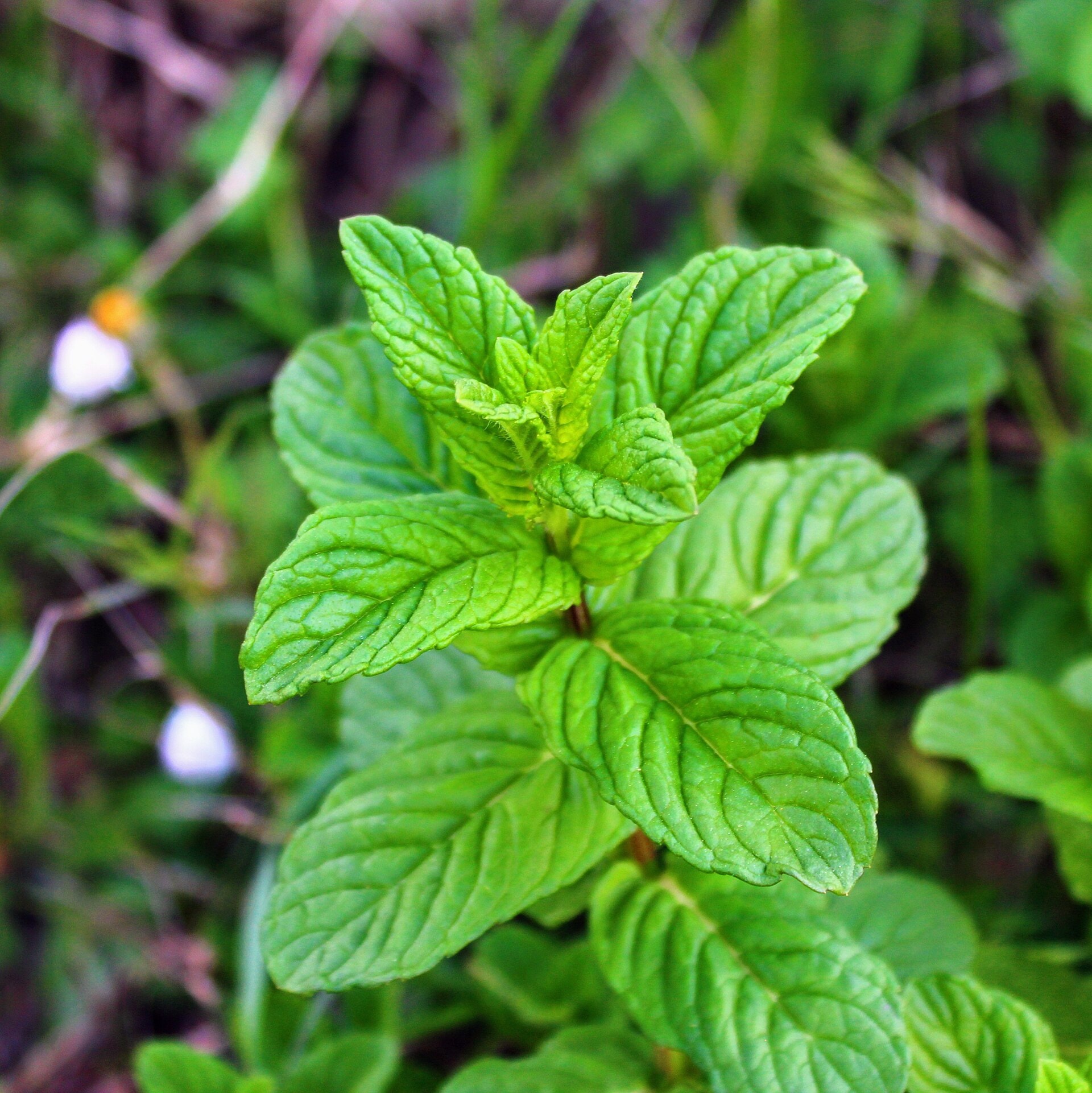
Peppermint
Mentha × piperita
A natural hybrid of water mint and spearmint, prized for the cool rush of menthol in its leaves.
- Family
- Mint family (Lamiaceae)
- Oil from
- Aerial parts
What it looks like
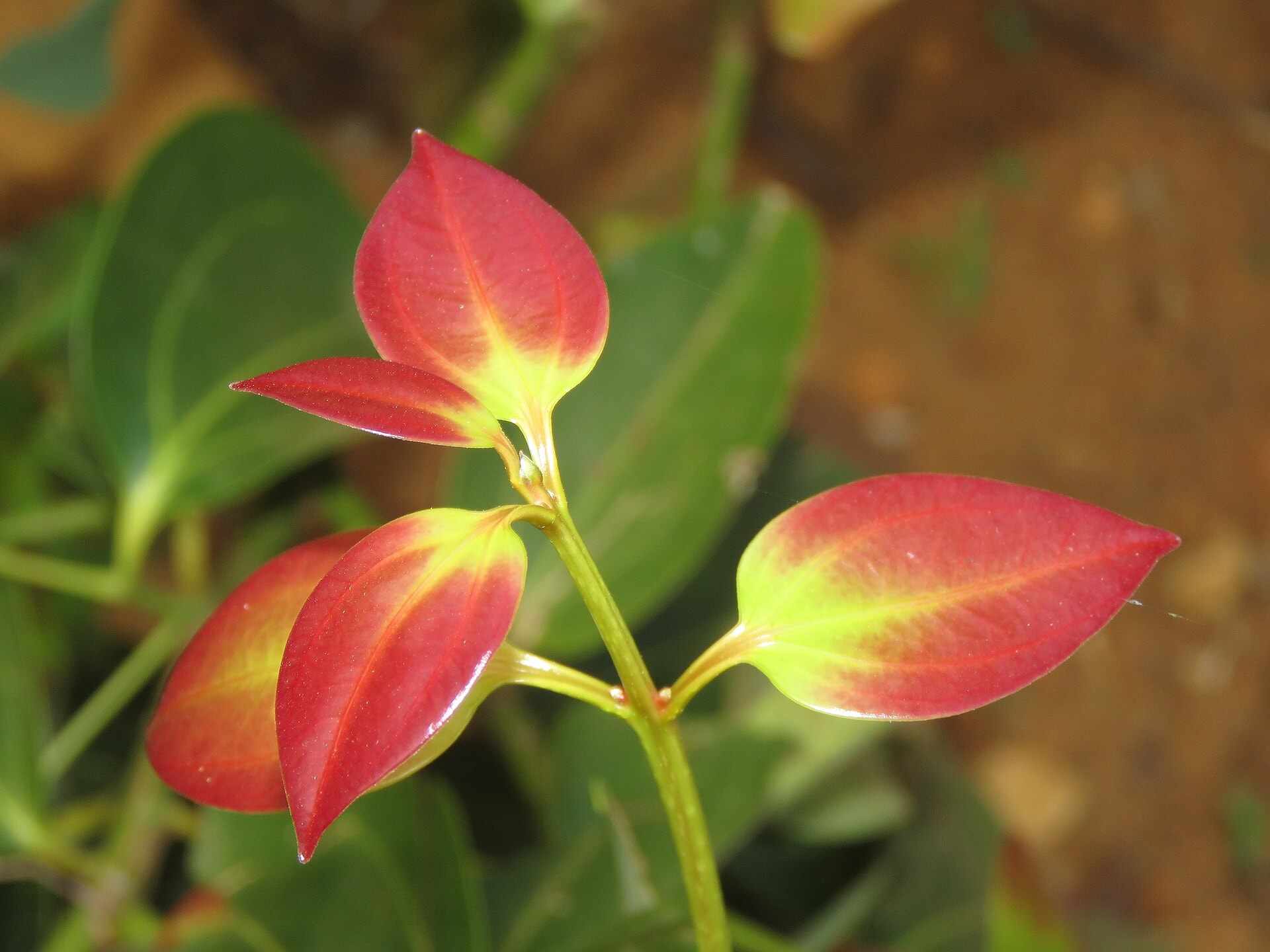
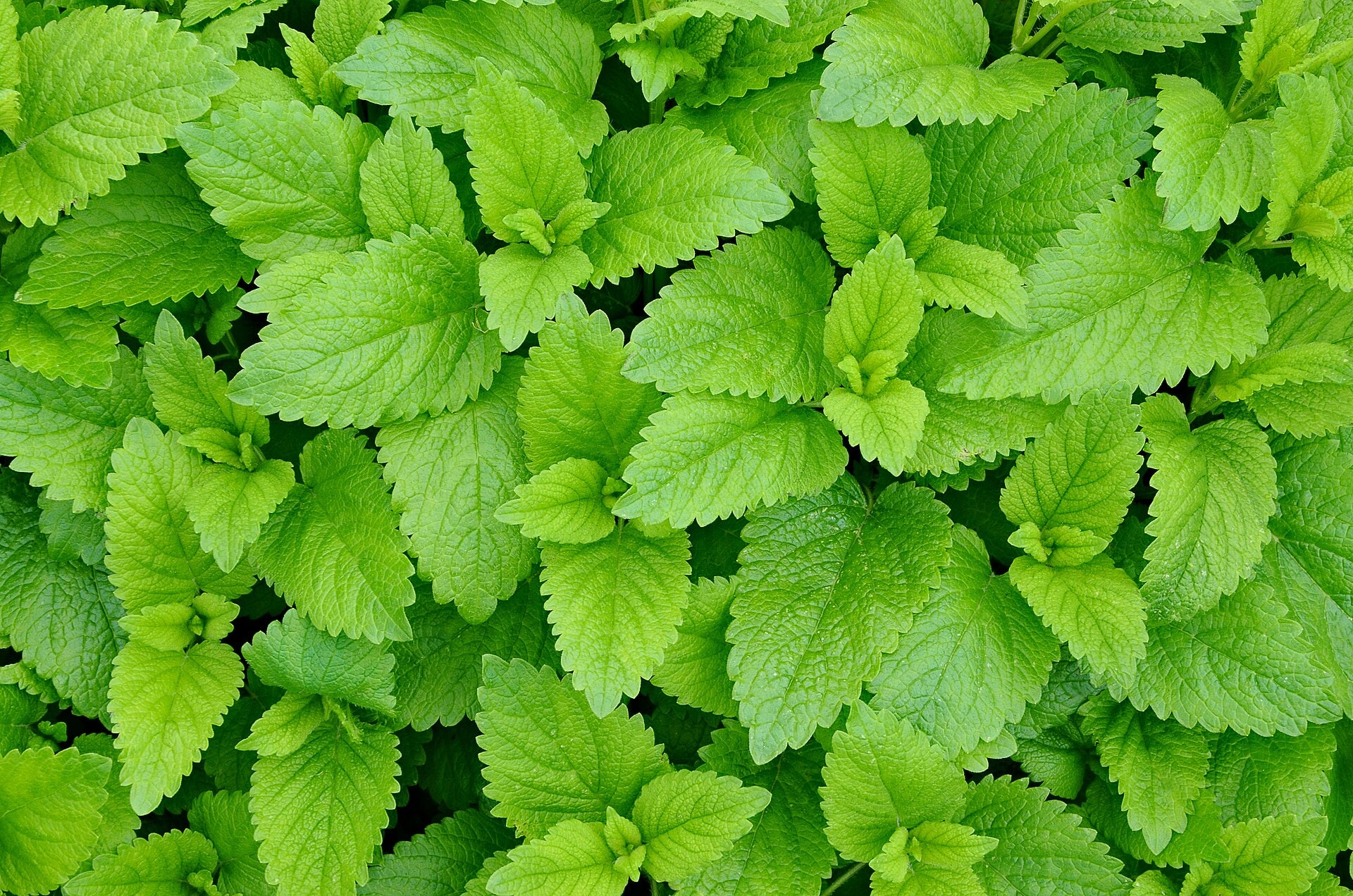
A perennial herb 30–90 cm tall with square, often purplish stems. The leaves sit in opposite pairs: oval, pointed, toothed and dark green.
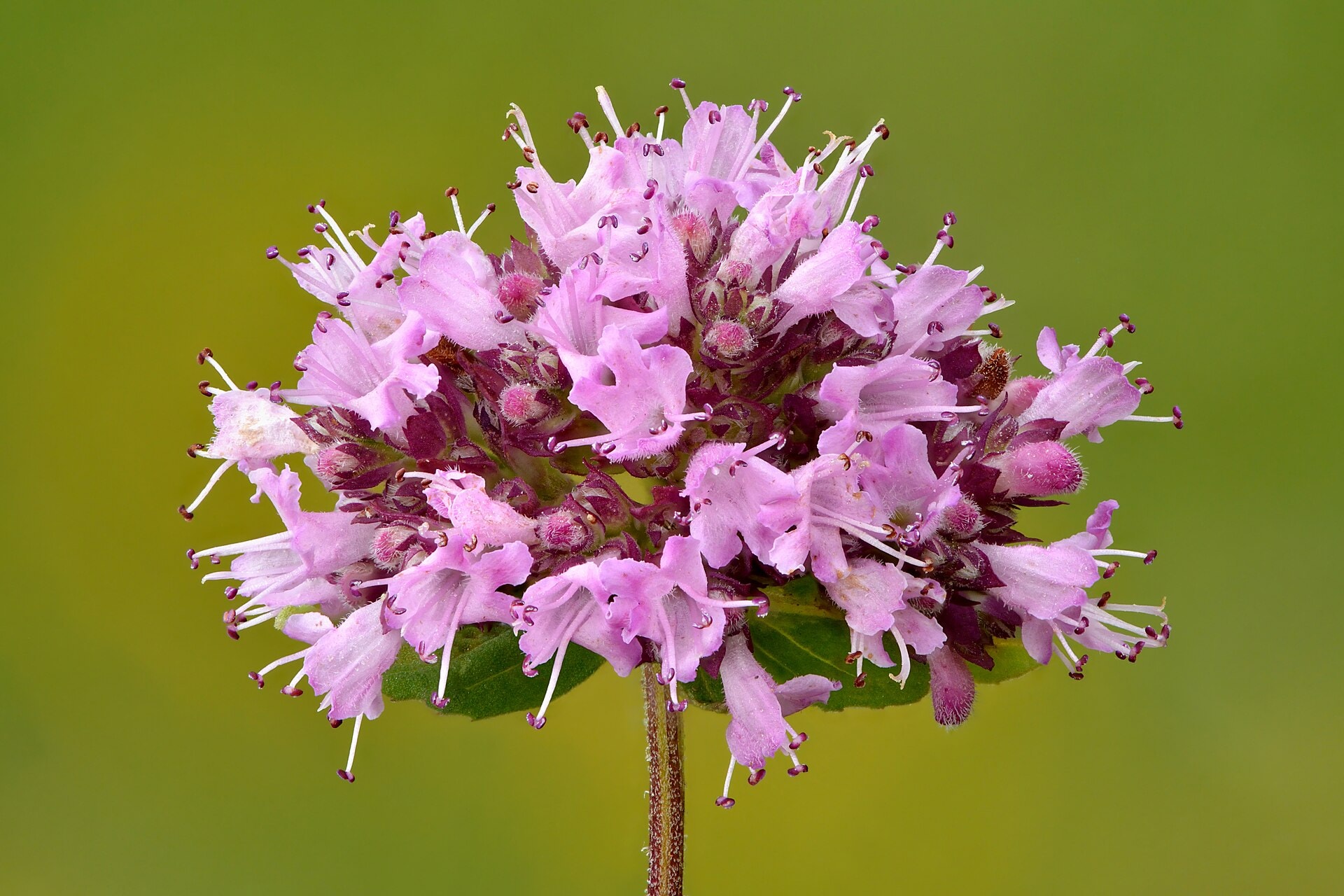
In summer small lilac-pink flowers gather in slim spikes at the tips of the stems. Below ground the plant spreads quickly with runners.
Where it grows
Peppermint was first described in England at the end of the 17th century. It needs moist, rich soil and is grown on a large scale in the north-western United States, India and across Europe.
What the oil is made of
Main constituents of the essential oil and their molecular formulas. Shares vary with harvest, origin and distillation.
- C10H20OMenthol30–55% · typical share
- C10H18OMenthone14–32% · typical share
How it may help
Mint tea after a meal is a tradition from Morocco to England. Peppermint oil is also one of the few essential oils with a “well-established use” status at the European Medicines Agency.
EMA: gastro-resistant capsules taken by mouth relieve minor abdominal spasms, flatulence and abdominal pain, especially in irritable bowel syndrome; applied to the forehead and temples, the oil relieves mild tension headache. Traditional uses include relief of cough and cold symptoms and of localised muscle pain and itching.
This refers to registered herbal medicines with set doses, not to cosmetic or food-grade oils.
A 2022 meta-analysis of 10 trials found peppermint oil capsules better than placebo for IBS symptoms, but with more side effects and very low certainty of evidence — see our journal. Limited evidence suggests that oil applied to the skin may ease tension headaches (NCCIH).
For information only. This is not medical advice and does not replace a doctor. Essential oils are not medicines and are not intended to diagnose, treat, cure or prevent any disease.
How to use
- Kitchen
The EU label allows this oil as a food flavouring: no more than 1 drop a day, always mixed into food or drink. Stir it into melted chocolate, a cream dessert or a large jug of lemonade.
- Kitchen
The plant itself: pour hot water over a handful of fresh leaves for a classic mint tea.
Safety
From the EU label: use only diluted, no more than one drop a day. Keep out of reach of children. If you are pregnant or under medical care, ask your doctor. Keep away from the eyes and mucous membranes.
Never apply peppermint oil to the face of babies and young children: breathing in menthol can cause serious breathing problems (NCCIH). EMA advises against it under 2 years and for children who have had seizures. By mouth it can cause heartburn; people with liver disease, gallstones or bile problems should ask a doctor.
Sources
- European Medicines Agency — Menthae piperitae aetheroleum - herbal medicinal product
- NCCIH (U.S. National Institutes of Health) — Peppermint Oil: Usefulness and Safety
- Systematic review and meta-analysis: efficacy of peppermint oil in irritable bowel syndrome. Alimentary Pharmacology & Therapeutics, 2022
In the shop
Read in the journal
Herbarium
All plants