Peppermint oil capsules and IBS: what a 2022 meta-analysis found
Ten trials, 1,030 adults with irritable bowel syndrome, special medicinal capsules — and a very honest conclusion about the quality of the evidence.
25 October 20264 min read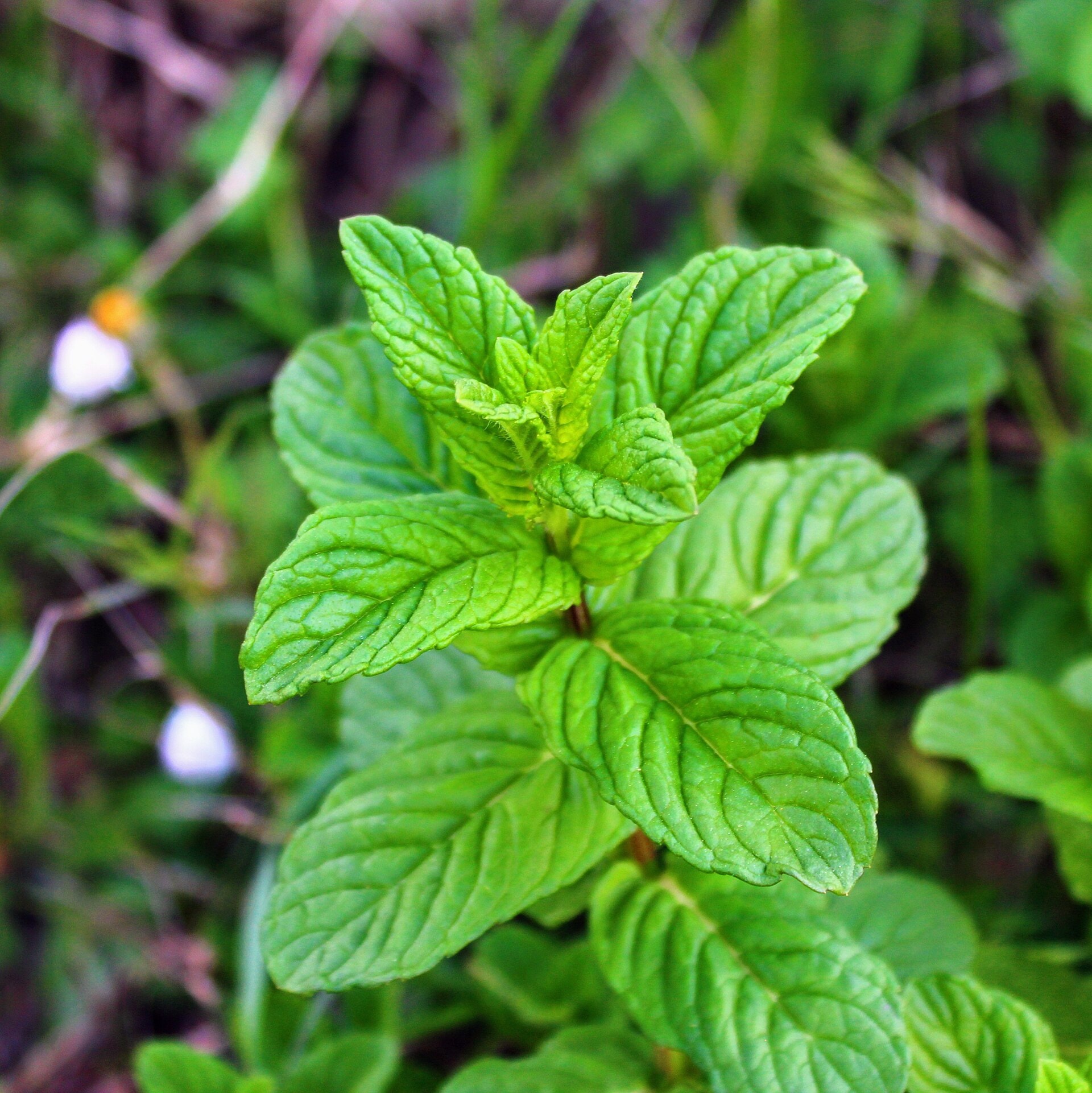
Peppermint oil is one of the best-studied plant products in gastroenterology. In 2022 a team of researchers from Italy, the USA, Canada and the UK pooled every placebo-controlled trial they could find on peppermint oil for irritable bowel syndrome (IBS).
An important detail first
The trials used special medicinal capsules that release peppermint oil in the intestine (enteric-coated or modified-release), at set doses — for example around 180–200 mg three times a day for 4 to 12 weeks. These are medicines. The results say nothing about drops of essential oil, peppermint tea or inhaling the scent.
What they found
- 10 randomised trials with 1,030 adults were included.
- Overall, peppermint oil capsules did better than placebo for global IBS symptoms and for abdominal pain. Roughly, one extra person improved for every 4 treated (global symptoms) and for every 7 treated (abdominal pain).
- Side effects were more common than with placebo — mostly mild, such as reflux and heartburn (17.9% vs 7.7%).
But look closer
When the authors kept only the three trials with a low risk of bias, the benefit for global symptoms was no longer statistically significant; only the effect on abdominal pain remained. The results varied a lot between trials, and the overall certainty of the evidence was rated “very low”. The authors call for larger, well-designed trials.
What it does not show
It does not show that peppermint essential oil from a bottle helps IBS — whether swallowed, rubbed on the skin or inhaled. If you have bowel symptoms, talk to a doctor: IBS is diagnosed by excluding other conditions, and medicinal peppermint capsules are a decision for you and your doctor.
We retell published research in plain words. It is not medical advice, and results of a study do not mean that a product treats or prevents a disease.
The oils from this article are available in our shop: Peppermint.
Sources
Plants in this article
More from the journal
All articles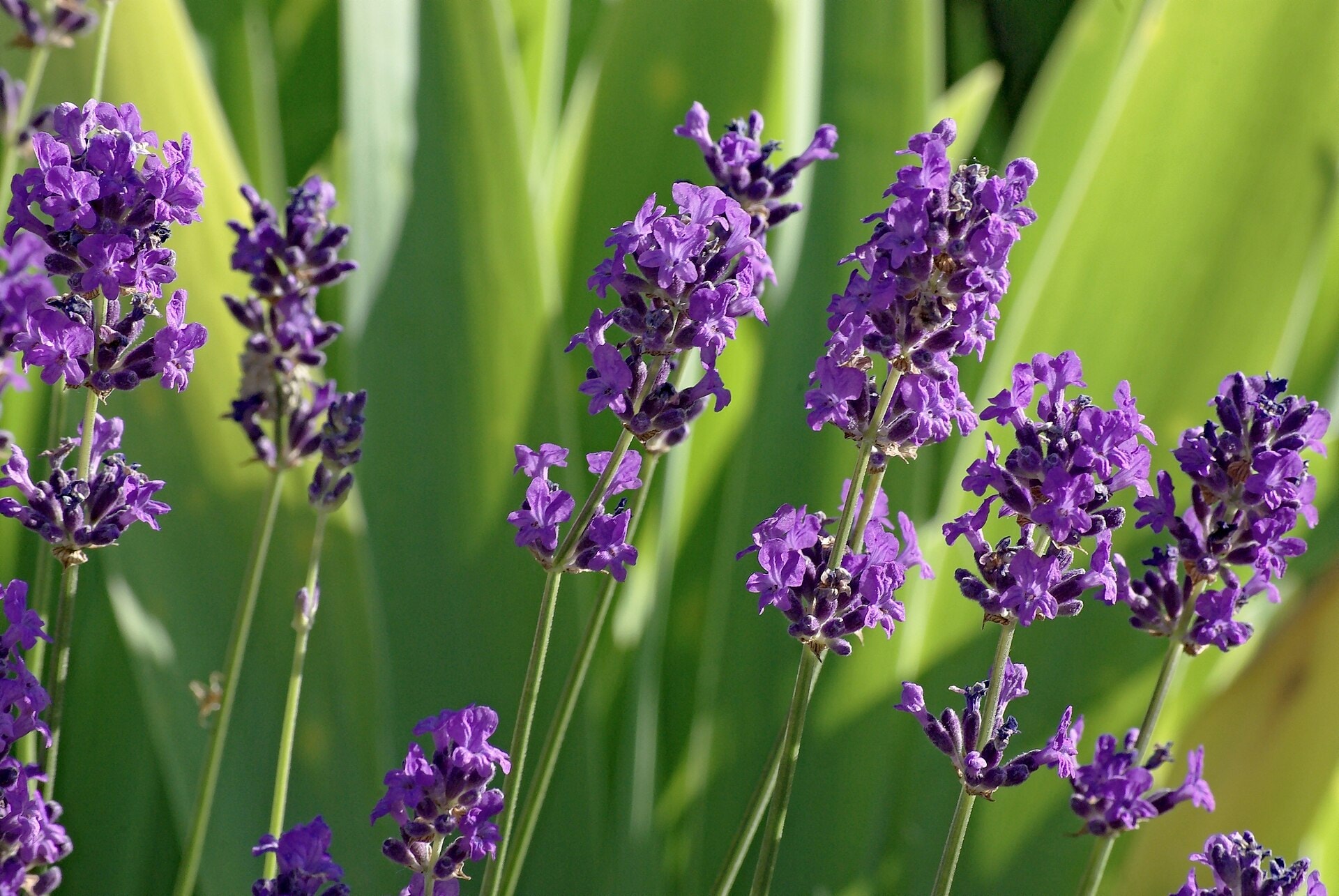
New on Smelslike: a botanical herbarium
Every oil starts as a plant. Our new herbarium shows what each one looks like, where it grows and what its oil is made of.
Orange and lavender in the dentist’s waiting room
A 2005 Austrian study of 200 patients compared the scent of orange, the scent of lavender, music and silence while people waited for dental treatment.
Rosemary and attention: an experiment with a blood test
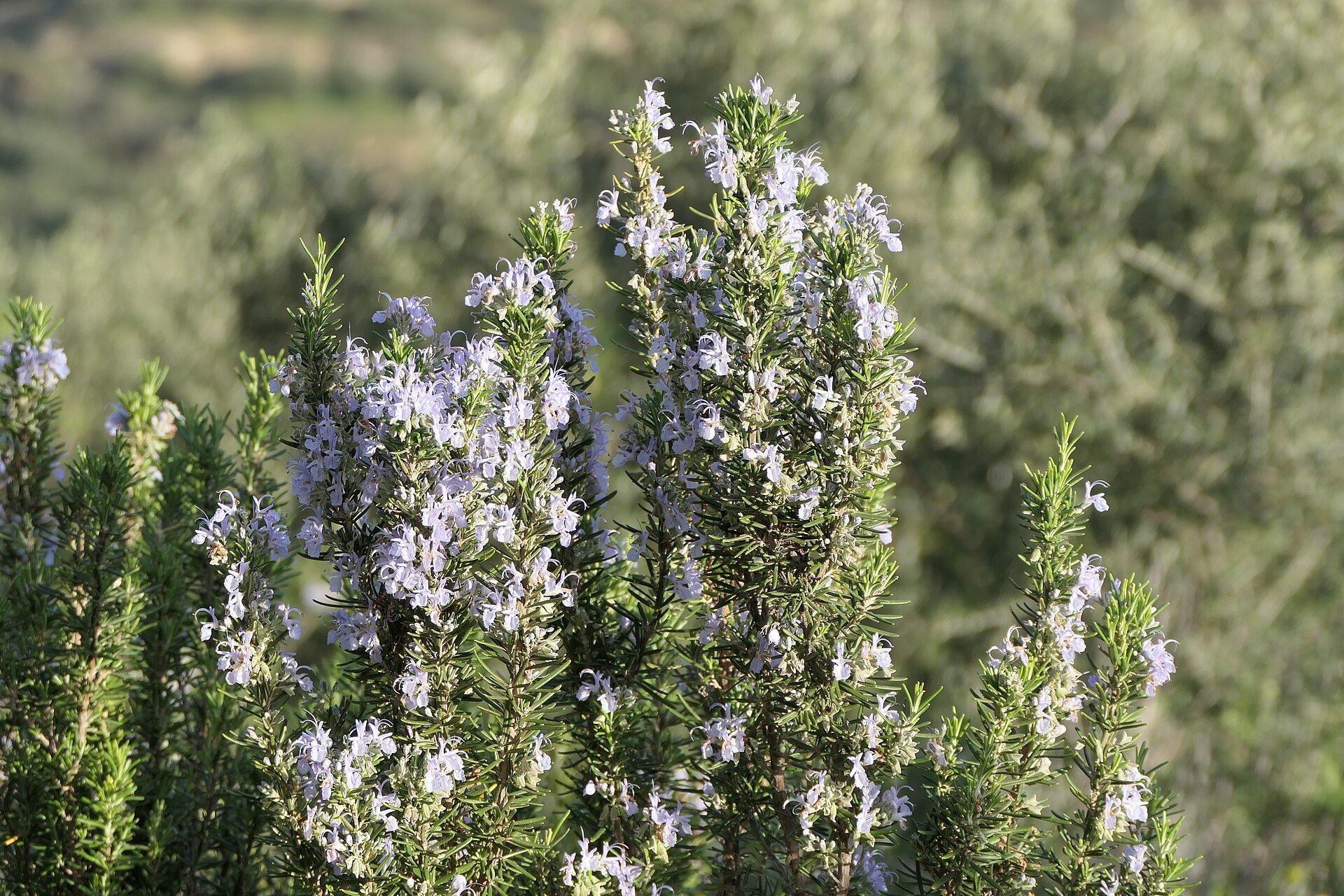
British researchers measured how much 1,8-cineole from rosemary aroma reached volunteers’ blood — and compared it with their scores on mental arithmetic.