Wild Orange
Citrus sinensis
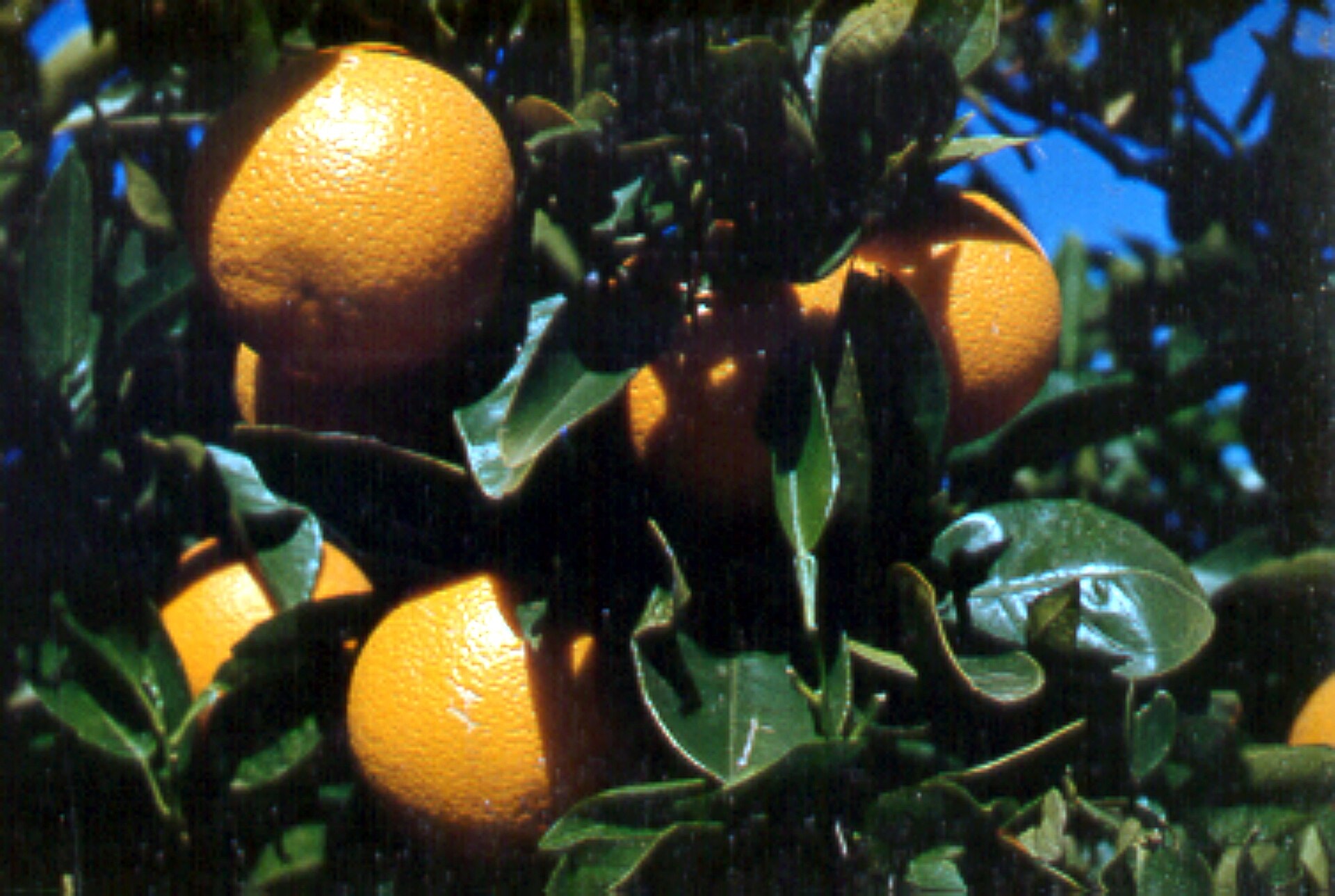
The sweet orange tree: glossy leaves, intensely scented blossom and a peel that releases a sunny, sweet oil.
- Family
- Rue family (Rutaceae)
- Oil from
- Peel
What it looks like
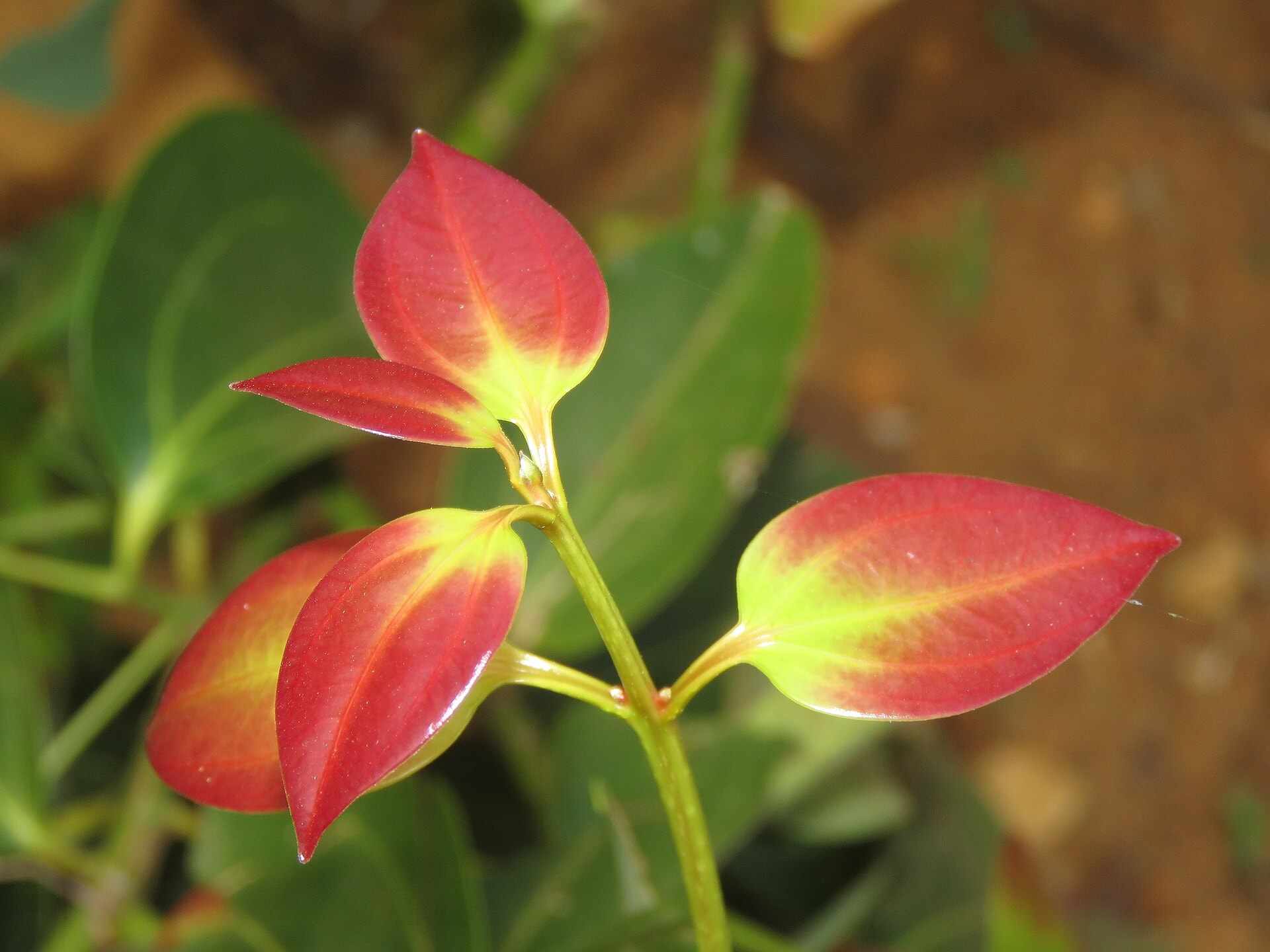
An evergreen tree 7–10 m tall with a rounded crown. The leaves are glossy and oval, on stalks with narrow “wings”.
In spring the tree is covered with waxy white flowers whose scent carries far. The round fruits ripen in winter; their peel, rich in oil glands, is cold-pressed to give the oil.
Where it grows
The sweet orange comes from southern China. Portuguese traders brought improved varieties to Europe in the 15th–16th centuries. Today Brazil and the USA are the largest producers; oranges have long been grown in Cyprus as well.
What the oil is made of
Main constituents of the essential oil and their molecular formulas. Shares vary with harvest, origin and distillation.
- C10H16Limonene93–96% · typical share
- C10H16β-Myrcene1.5–3.5% · typical share
How it may help
Orange peel has long flavoured sweets, liqueurs and festive baking, and orange oil is a classic top note in perfumery. There is no EMA monograph for orange oil.
Most studies of citrus oils are laboratory work (a 2018 review collects them). A well-known study in a dental waiting room linked the scent of orange with lower self-rated anxiety — read about it, and its limits, in our journal.
For information only. This is not medical advice and does not replace a doctor. Essential oils are not medicines and are not intended to diagnose, treat, cure or prevent any disease.
How to use
- On skin
Mix 1–2 drops with a teaspoon (5 ml) of a carrier oil such as almond or jojoba and massage into the skin — shoulders, hands or feet. Try it on a small patch of skin first.
- Bath
Blend 3–5 drops with a tablespoon of carrier oil or an unscented bath base before adding it to warm water — essential oils do not mix with water on their own.
- Kitchen
The fruit itself: grate fresh zest over yoghurt, cakes or a winter salad.
Safety
From the EU label: possible skin sensitivity. Keep out of reach of children. If you are pregnant or under medical treatment, ask your doctor first. Avoid the eyes, inner ears and sensitive areas.
The EU label also advises avoiding sunlight after applying the oil to the skin.
Store the bottle tightly closed, away from heat and light: oxidised oil irritates the skin more easily.
Sources
In the shop
Read in the journal
Herbarium
All plants