Orange and lavender in the dentist’s waiting room
A 2005 Austrian study of 200 patients compared the scent of orange, the scent of lavender, music and silence while people waited for dental treatment.
27 October 20263 min read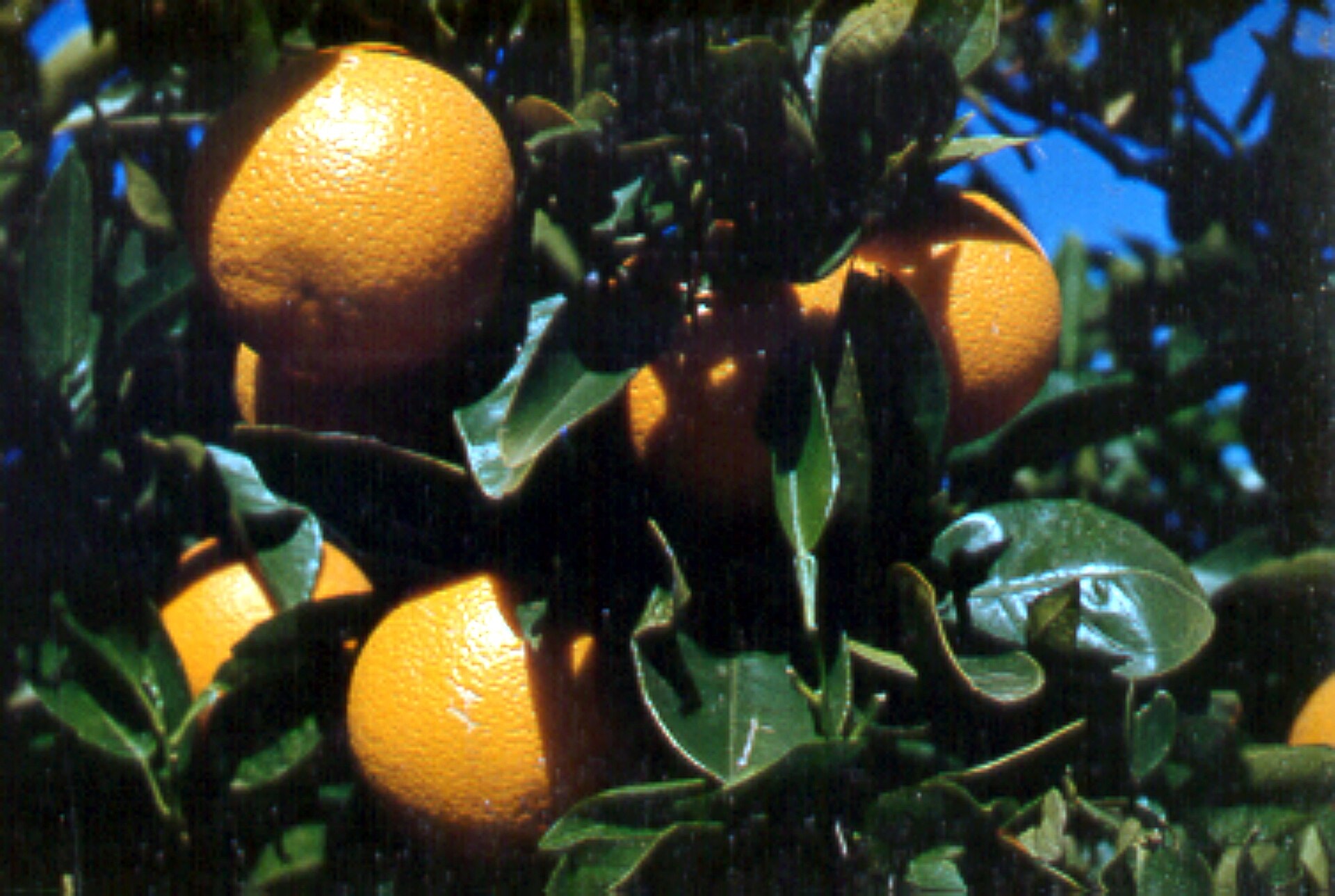
Few places make people as tense as a dentist’s waiting room. Researchers at the Medical University of Vienna used that to ask a simple question: can a scent in the air change how people feel while they wait?
What they did
200 adults aged 18 to 77 — half women, half men — were waiting for dental procedures. They were split into four groups: one waited with the scent of orange essential oil in the air, one with the scent of lavender oil, one with music, and one with neither scent nor music. Patients then rated their anxiety, mood, alertness and calmness.
What they found
According to the authors, compared with the control group both orange and lavender were associated with lower anxiety and better mood in patients waiting for treatment. The published abstract gives no numbers, and it does not report how the music group did.
What the study does not show
- It measured a short, one-off moment of stress in one setting — not an anxiety disorder.
- Patients could smell the scent, so they knew something was going on; this kind of study cannot be blinded.
- The abstract does not describe how the scent was dosed or how groups were assigned.
- It does not show that orange or lavender works at home, over time, or better than music.
Why it is still interesting
The study is often cited because it was done in a real clinic rather than a lab. It supports a modest idea that many of us recognise: a pleasant smell can change how a stressful moment feels.
We retell published research in plain words. It is not medical advice, and results of a study do not mean that a product treats or prevents a disease.
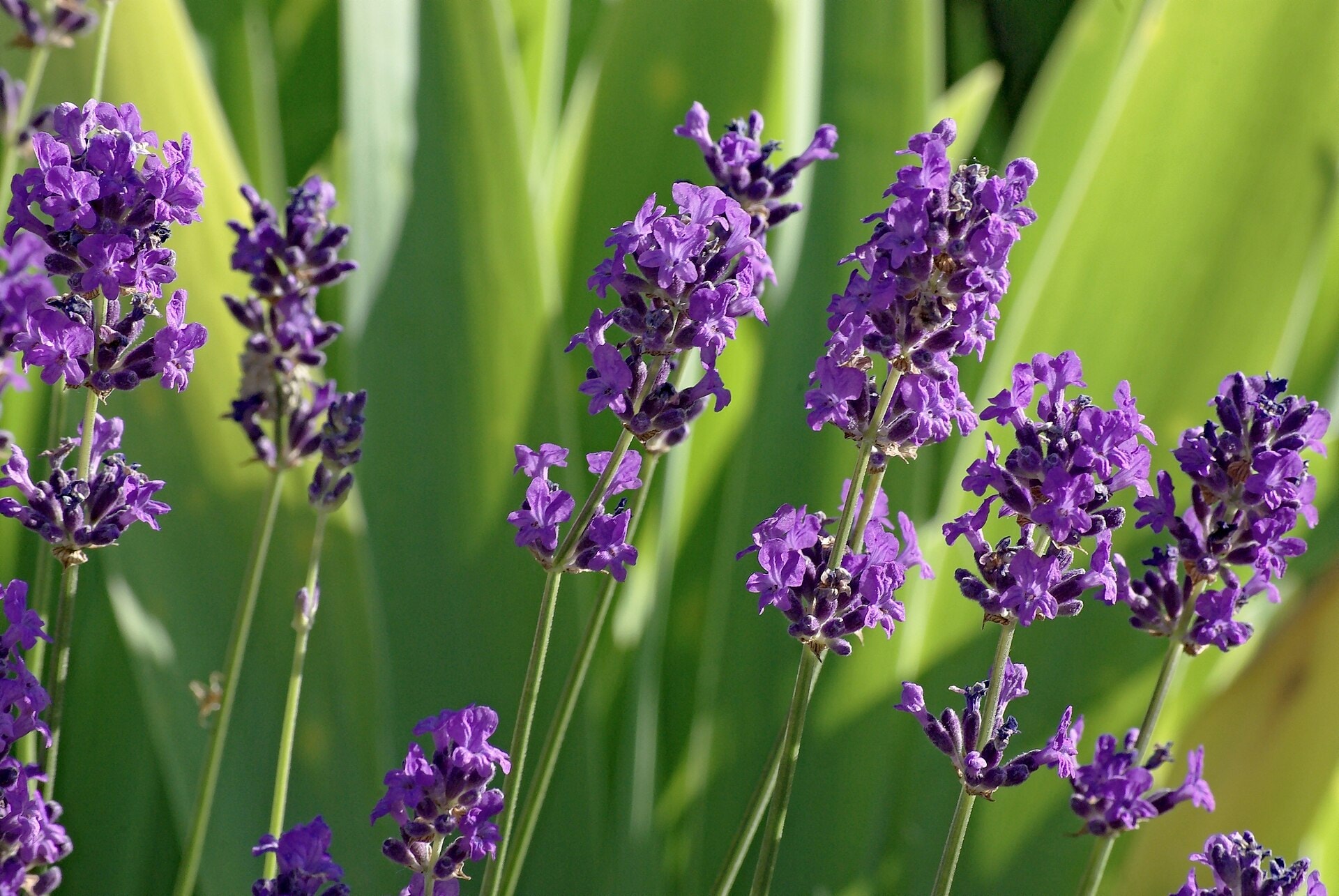
The oils from this article are available in our shop: Wild Orange, Lavender.
Sources
Plants in this article
More from the journal
All articlesNew on Smelslike: a botanical herbarium
Every oil starts as a plant. Our new herbarium shows what each one looks like, where it grows and what its oil is made of.
Rosemary and attention: an experiment with a blood test
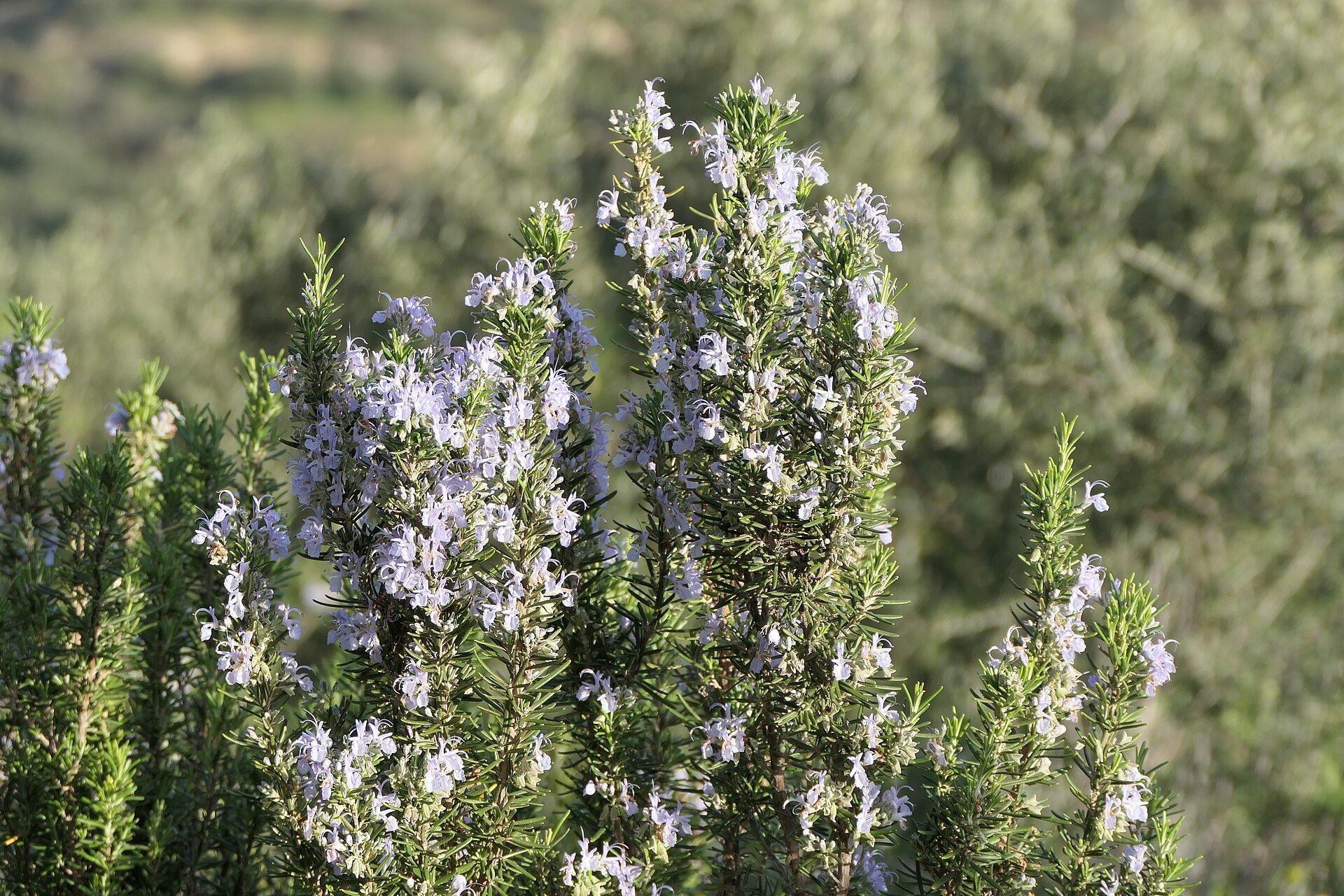
British researchers measured how much 1,8-cineole from rosemary aroma reached volunteers’ blood — and compared it with their scores on mental arithmetic.
Peppermint oil capsules and IBS: what a 2022 meta-analysis found
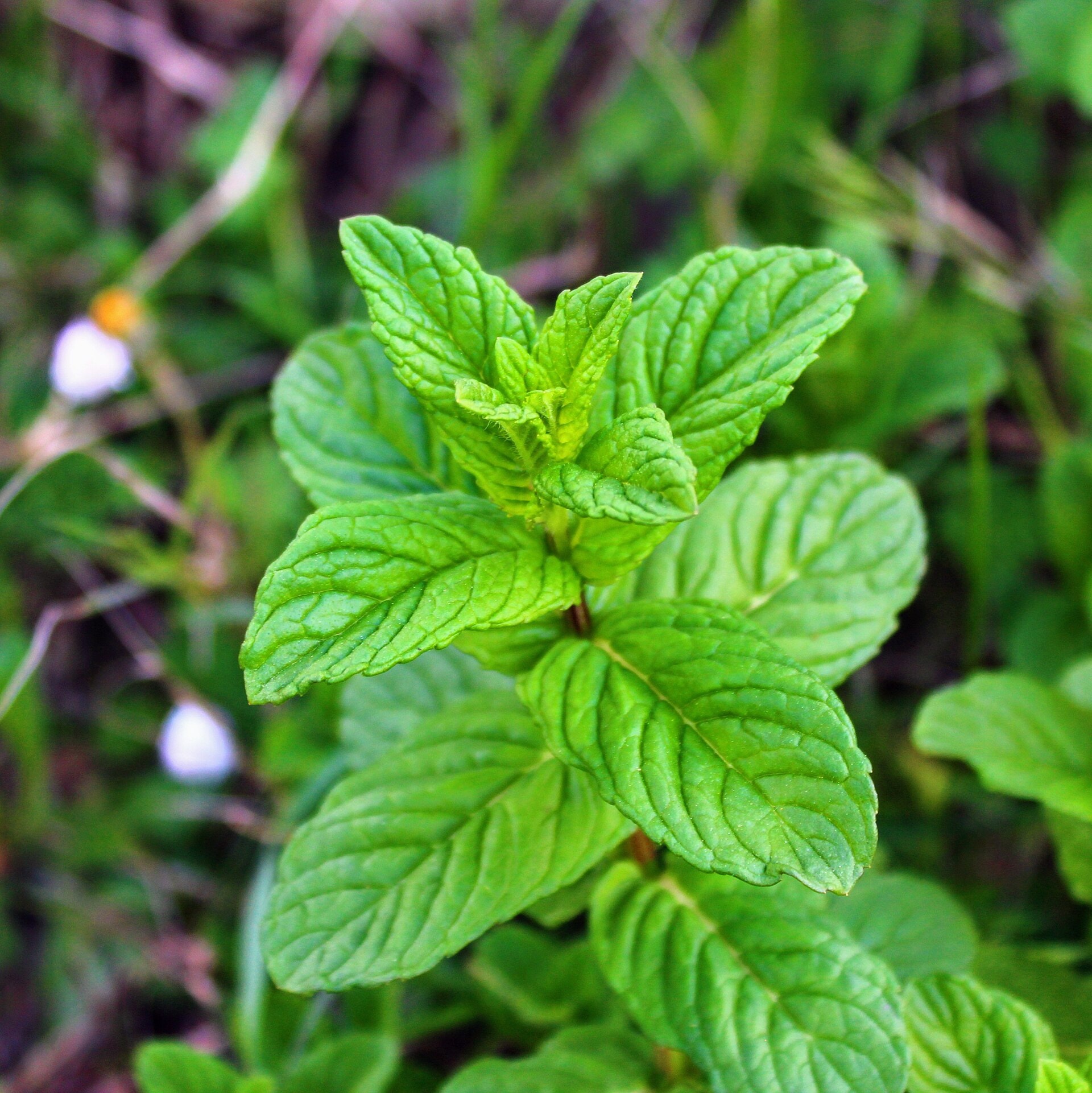
Ten trials, 1,030 adults with irritable bowel syndrome, special medicinal capsules — and a very honest conclusion about the quality of the evidence.