New on Smelslike: a botanical herbarium
Every oil starts as a plant. Our new herbarium shows what each one looks like, where it grows and what its oil is made of.
28 October 20262 min read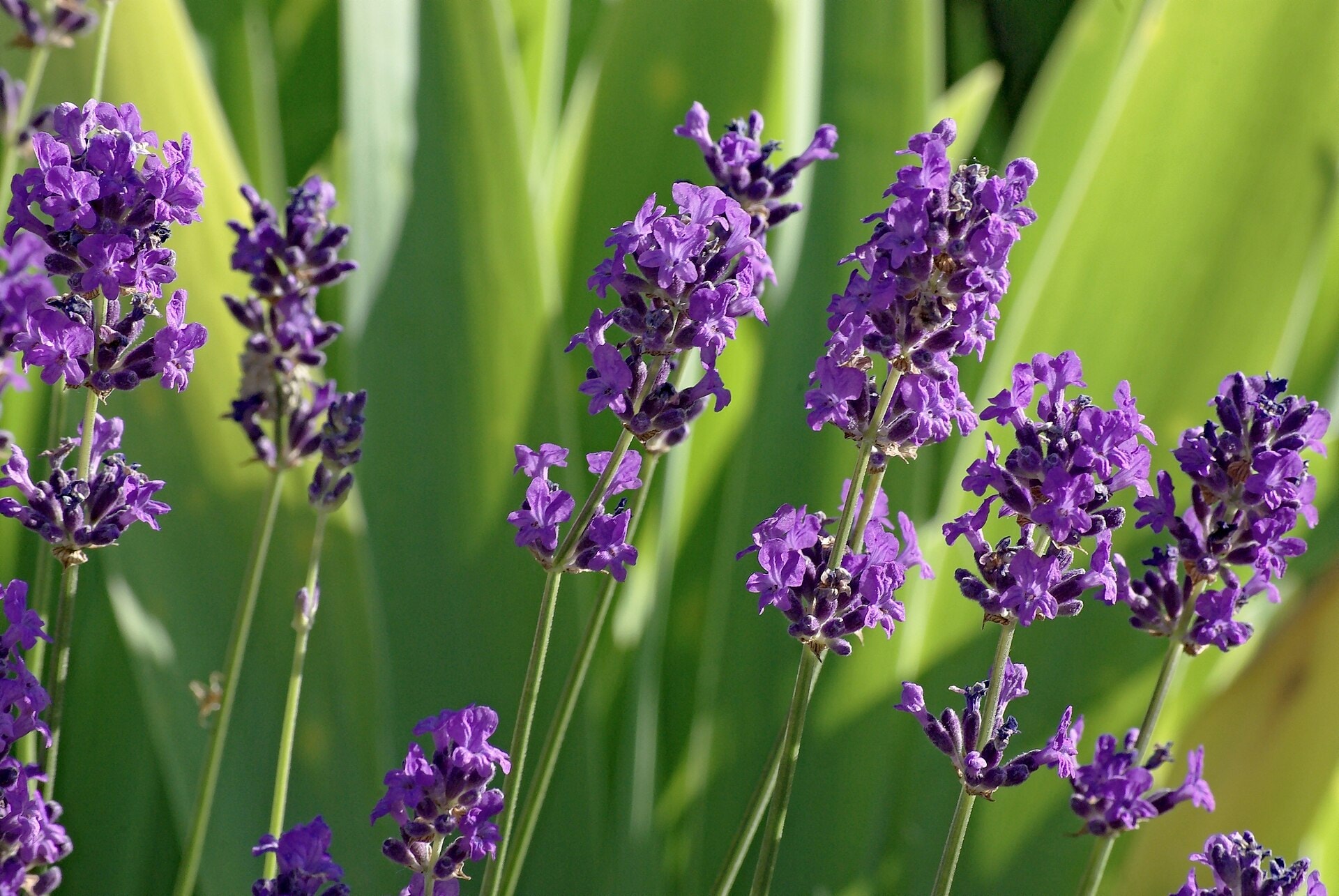
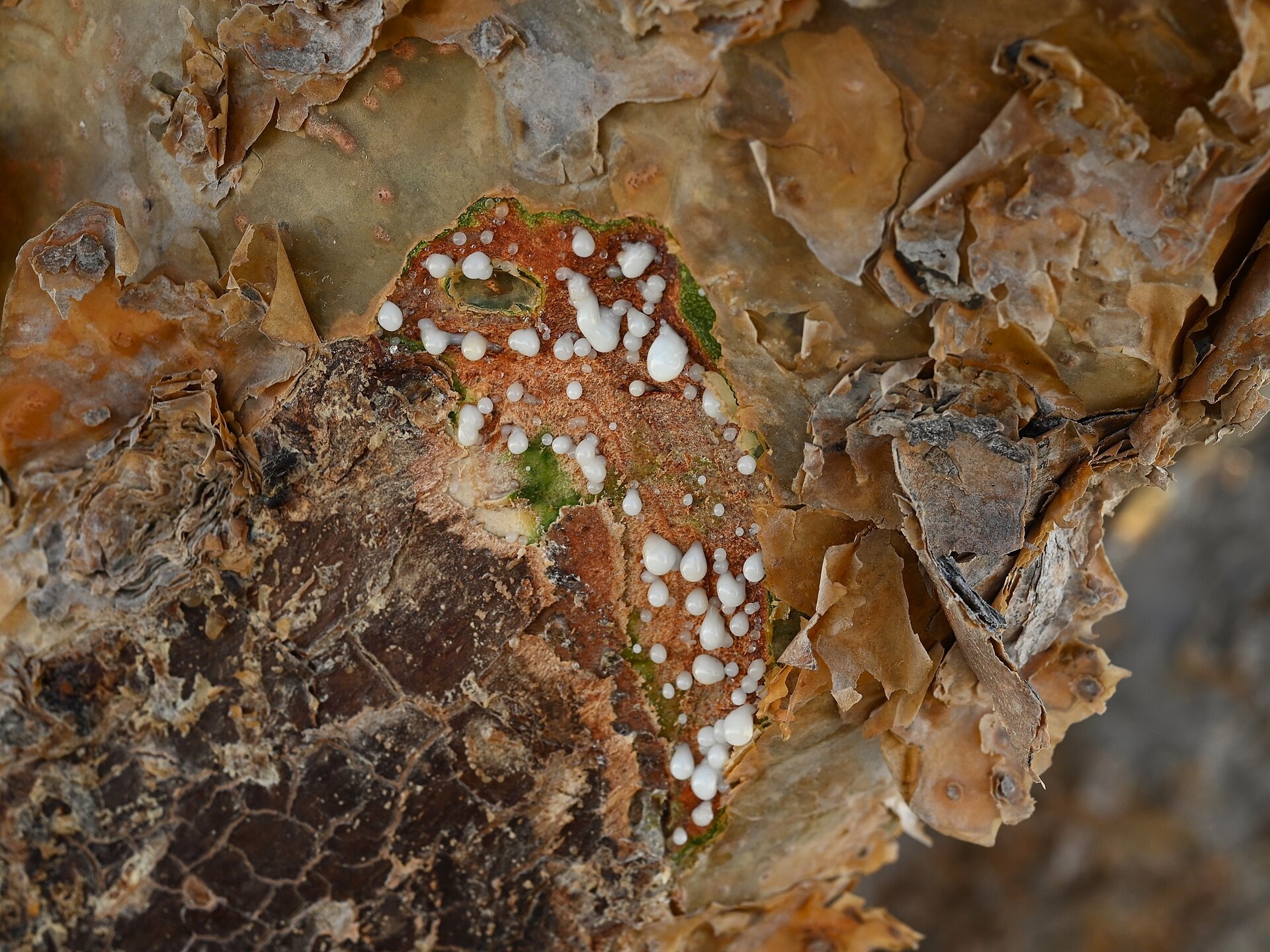
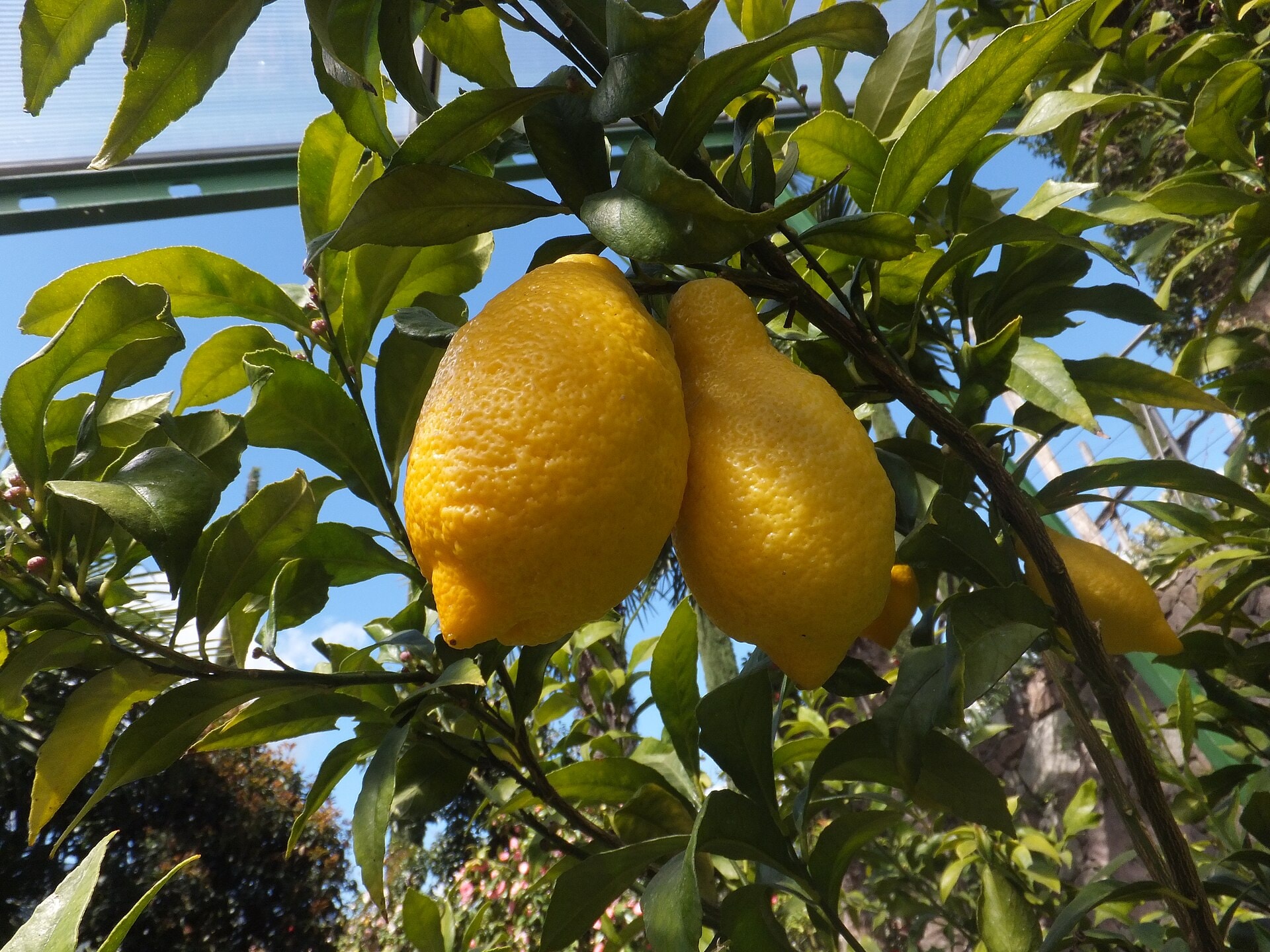
A bottle of essential oil is the end of a long story: a field of lavender in Provence, a frankincense tree on a rocky hill in Somalia, a lemon tree in a garden in Limassol. We wanted that story to be part of the shop.
What you will find
- What the plant looks like and where it grows
- The main constituents of its oil, with molecular formulas
- How the plant has traditionally been used, and what research says — with links to the sources
- How to use the oil according to its EU label, and what to be careful about
We started with fifteen plants — from lavender and peppermint to clove and oregano — and will keep adding new ones.
Why sources matter
Essential oils are surrounded by bold promises. We prefer facts you can check: European Medicines Agency monographs, the US National Center for Complementary and Integrative Health, peer-reviewed reviews. Where the evidence is thin, we say so.
Plants in this article
Products in this article
More from the journal
All articles
Orange and lavender in the dentist’s waiting room
A 2005 Austrian study of 200 patients compared the scent of orange, the scent of lavender, music and silence while people waited for dental treatment.
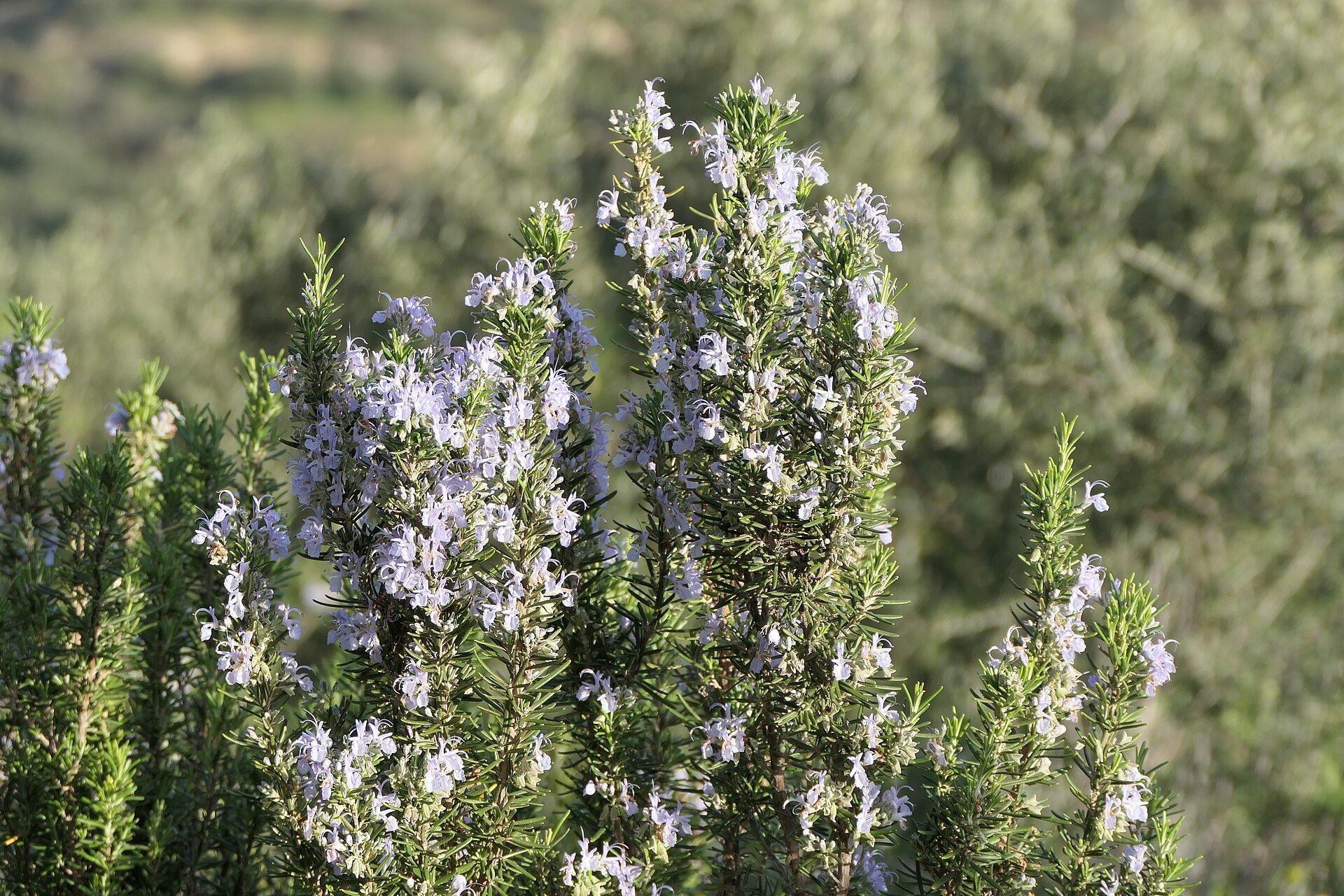
Rosemary and attention: an experiment with a blood test
British researchers measured how much 1,8-cineole from rosemary aroma reached volunteers’ blood — and compared it with their scores on mental arithmetic.
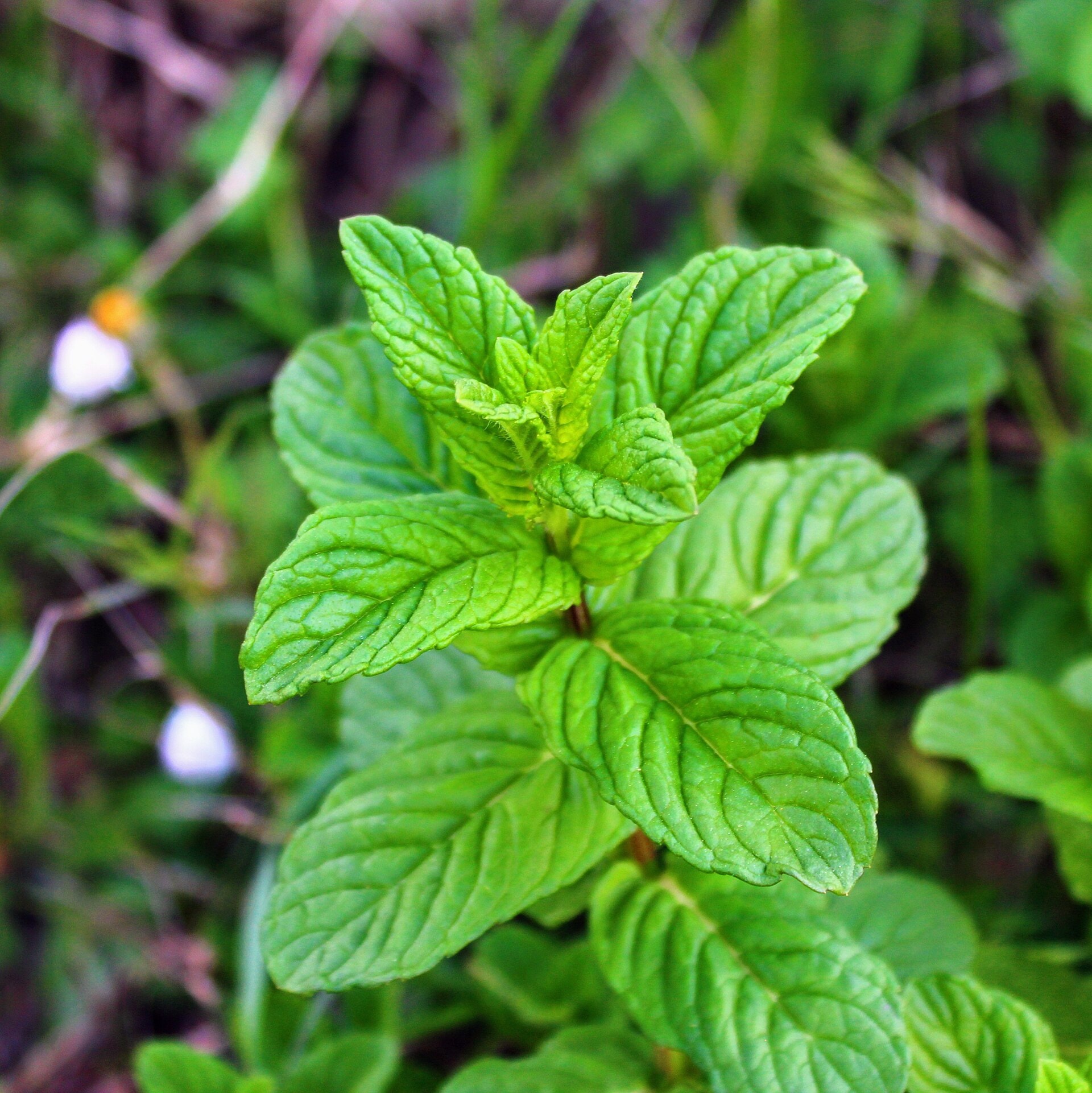
Peppermint oil capsules and IBS: what a 2022 meta-analysis found
Ten trials, 1,030 adults with irritable bowel syndrome, special medicinal capsules — and a very honest conclusion about the quality of the evidence.