Rosemary and attention: an experiment with a blood test
British researchers measured how much 1,8-cineole from rosemary aroma reached volunteers’ blood — and compared it with their scores on mental arithmetic.
26 October 20264 min read
“Rosemary, that’s for remembrance,” says Ophelia in Hamlet. In 2012 psychologists at Northumbria University in the UK looked at the idea from an unusual angle: not just whether people did better after smelling rosemary, but whether the amount of an aroma compound in their blood was linked to how they performed.
What they did
20 healthy young volunteers were tested in a small closed room where four drops of rosemary essential oil had been put on a diffuser pad. Each person stayed in the room for 4, 6, 8 or 10 minutes, then did timed tasks — counting backwards in threes and sevens, and a fast visual attention test — and rated their mood. At the end a blood sample was taken to measure 1,8-cineole, one of the main constituents of rosemary oil.
What they found
The longer people had been in the room, the more 1,8-cineole was in their blood. Higher levels went with faster and more accurate answers on several tasks — for example, more correct answers counting back in threes (r = 0.47). Some links were weak or not significant, such as accuracy on the visual attention test. Mood ratings showed one significant link: higher cineole went with a less favourable change in “contentment”.
Limits the authors point out
- Only 20 people — the authors themselves urge caution with small samples.
- There was no group without rosemary, so the study compares people with more or less cineole, not rosemary with no rosemary.
- A correlation is not proof of cause: other factors, such as breathing rate, could play a role.
- Several outcomes were tested, and some results are just under the usual threshold of significance.
What it does not show
It does not show that smelling rosemary improves memory compared with not smelling it, or that diffusing it at home or at work makes anyone sharper over time. What it does show is that aroma compounds from the air reach the blood in measurable amounts — a useful piece of the puzzle for future, larger studies.
We retell published research in plain words. It is not medical advice, and results of a study do not mean that a product treats or prevents a disease.
The oils from this article are available in our shop: Rosemary.
Sources
Plants in this article
More from the journal
All articles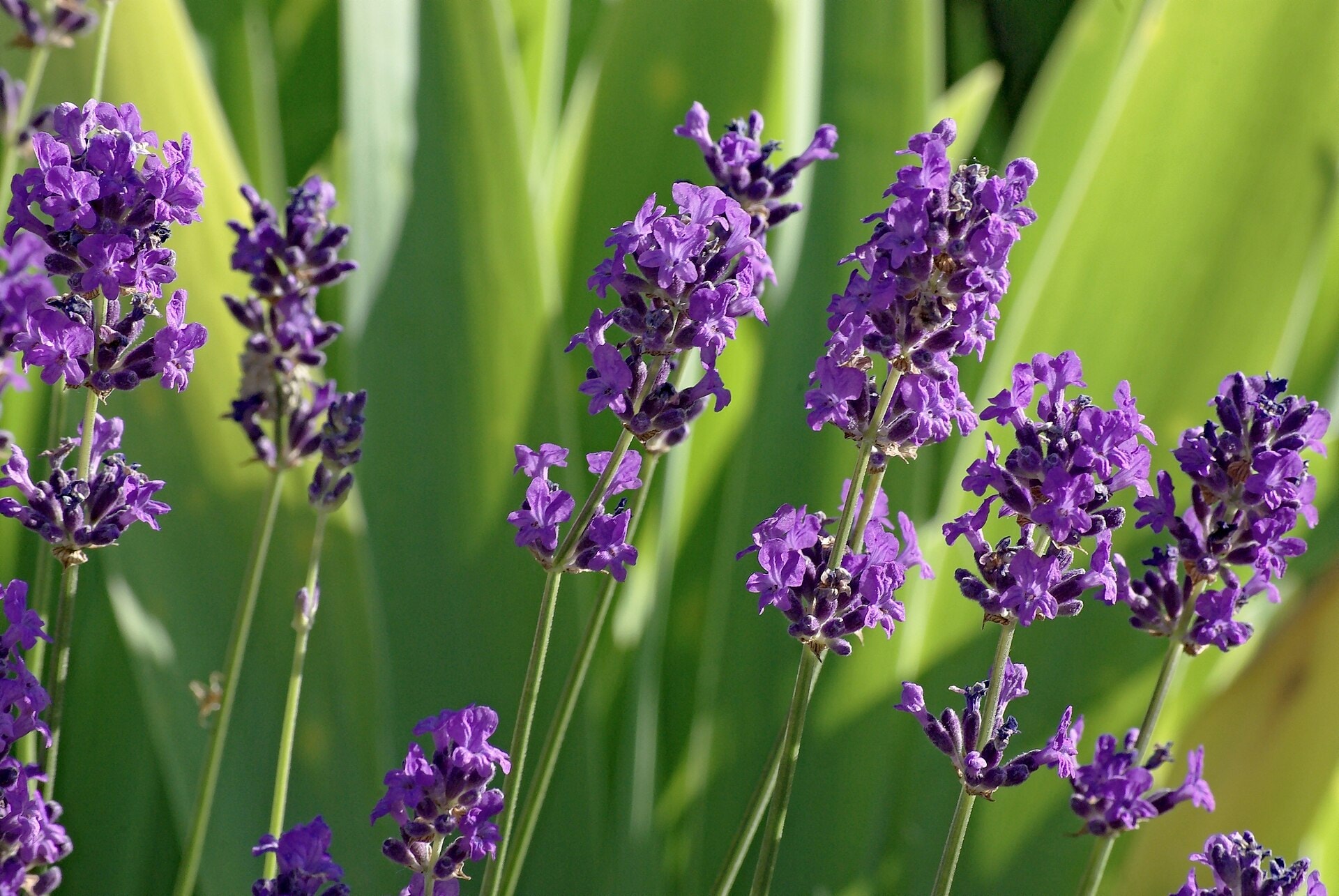
New on Smelslike: a botanical herbarium
Every oil starts as a plant. Our new herbarium shows what each one looks like, where it grows and what its oil is made of.
Orange and lavender in the dentist’s waiting room
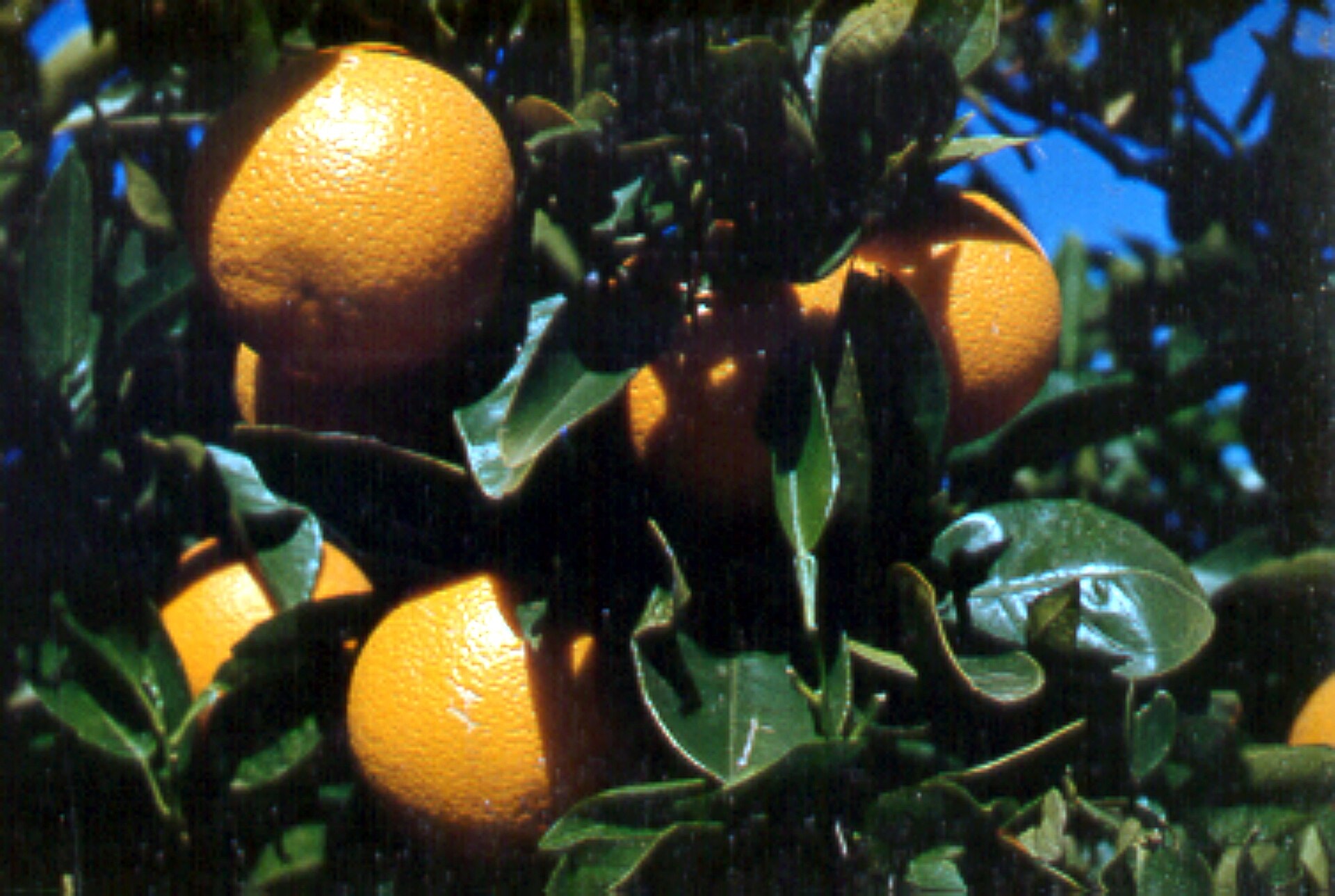
A 2005 Austrian study of 200 patients compared the scent of orange, the scent of lavender, music and silence while people waited for dental treatment.
Peppermint oil capsules and IBS: what a 2022 meta-analysis found
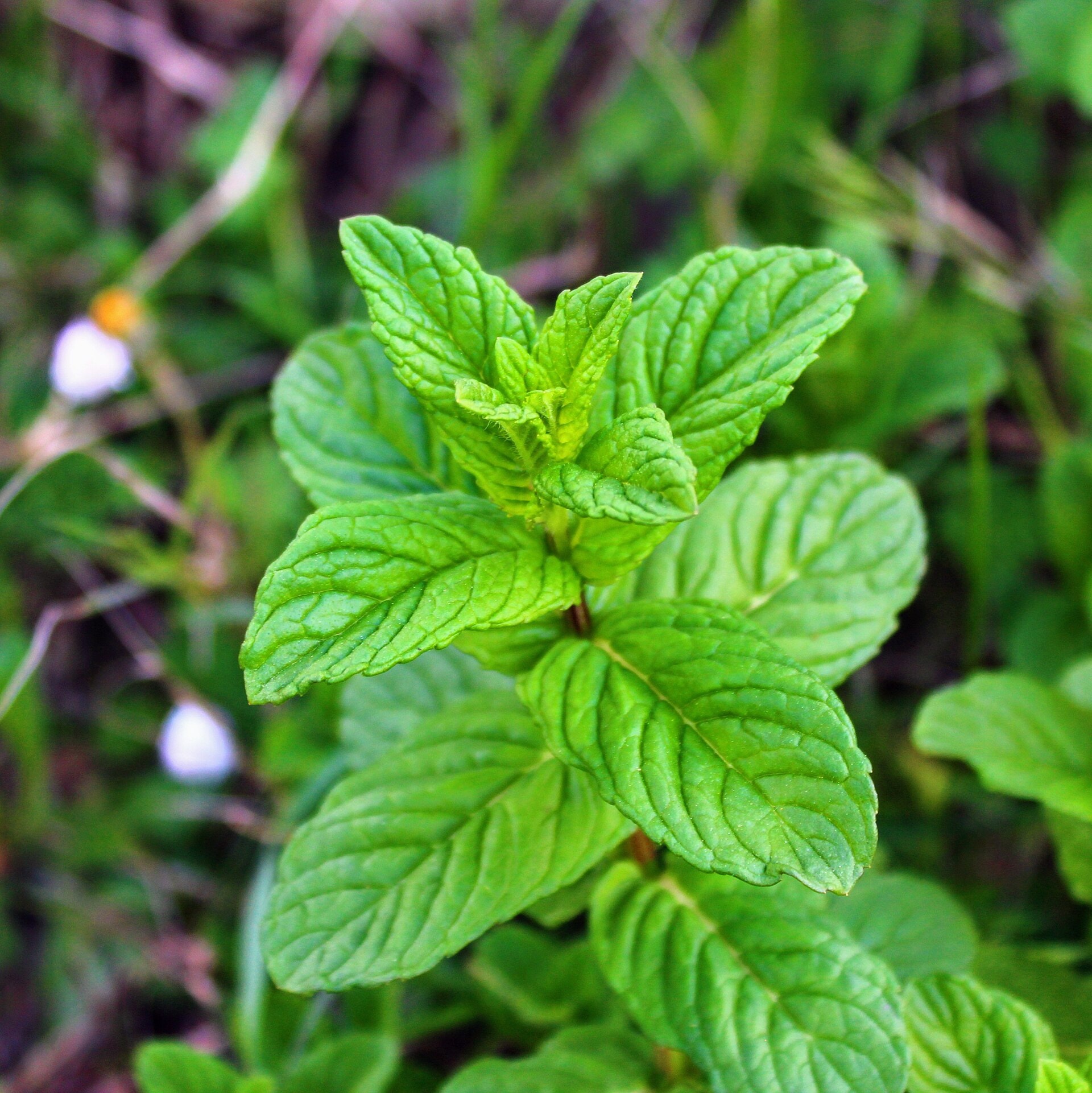
Ten trials, 1,030 adults with irritable bowel syndrome, special medicinal capsules — and a very honest conclusion about the quality of the evidence.