Lavender and anxiety: what 90 studies say
An Italian review gathered research on lavender in every form — inhaled, as capsules and in massage. The results differ a lot by form, and the quality of studies matters.
24 October 20264 min read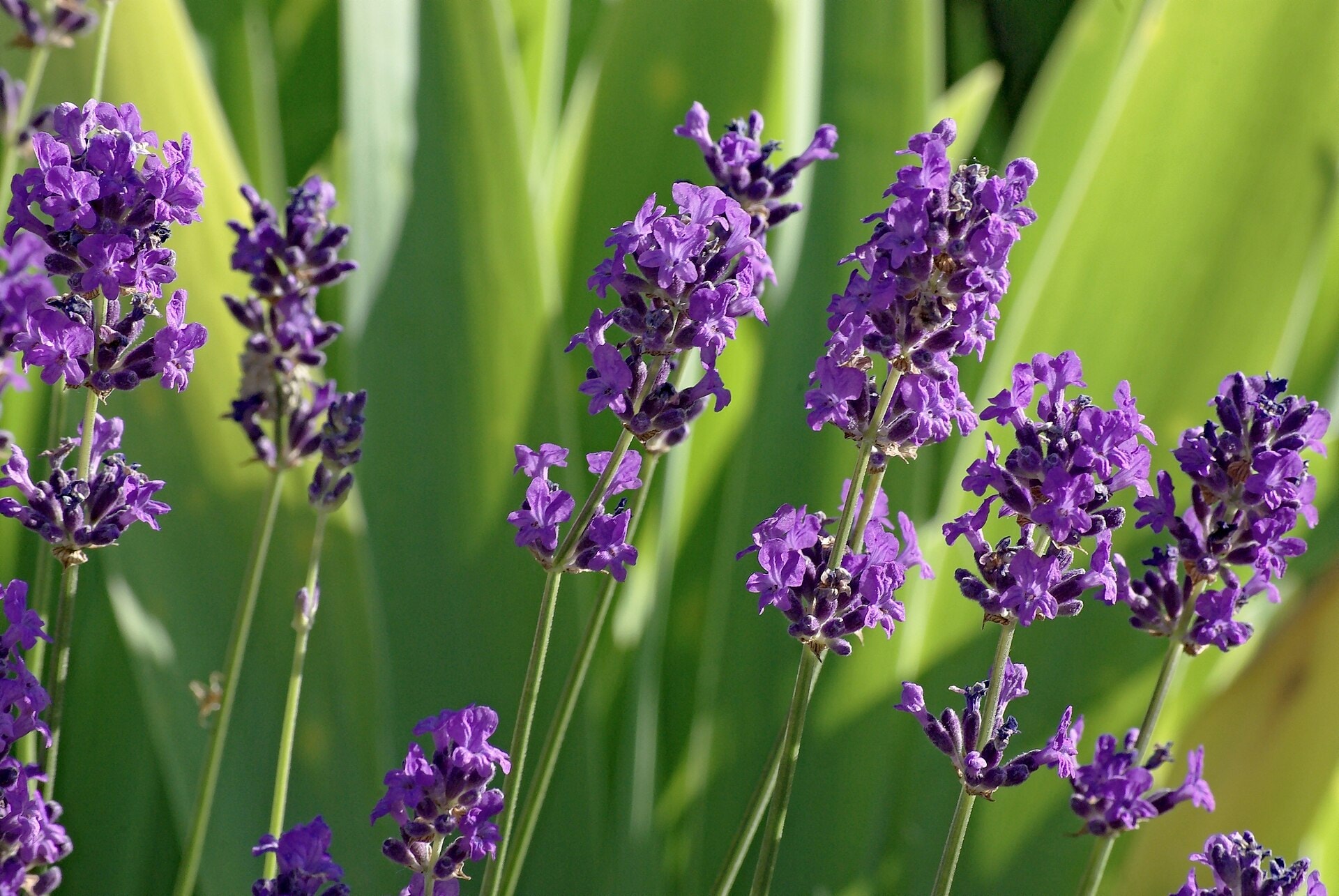
Lavender is probably the plant most often linked with calm. In 2019 researchers at the University of Florence collected everything they could find on lavender and anxiety and published a systematic review and meta-analysis in the journal Phytomedicine.
How big was it
The review included 65 randomised trials (about 8,000 participants) and 25 non-randomised studies. Of these, 37 trials with almost 4,000 participants could be combined statistically. The studies looked at people with anxiety, but also at people in stressful situations, such as before a medical procedure.
What they found
- Capsules: a standardised lavender oil medicine taken by mouth (80 mg a day for at least six weeks) reduced anxiety scores compared with control. The authors call oral lavender oil effective, but the difference was modest — about 3 points on a 56-point anxiety scale.
- Inhaling the scent: the pooled result also favoured lavender, but the studies were very different from one another, so the authors speak only of “an indication of an effect”.
- Massage with lavender oil: results looked positive, but the studies could not show whether the benefit came from lavender or simply from the massage.
Important caveats
The authors note the low average quality of the studies: most randomised trials had a high risk of bias. Scent cannot be hidden from participants, which makes fair comparison difficult. And the capsule results apply to one specific medicinal product, not to essential oil sold for cosmetic use.
What it does not show
It does not show that a lavender diffuser at home treats an anxiety disorder, or that swallowing lavender essential oil is a good idea — it is not. Persistent anxiety deserves proper help from a doctor or psychologist. A pleasant scent can be a small part of a calming evening routine, and that is enough.
We retell published research in plain words. It is not medical advice, and results of a study do not mean that a product treats or prevents a disease.
The oils from this article are available in our shop: Lavender.
Sources
Plants in this article
More from the journal
All articlesNew on Smelslike: a botanical herbarium
Every oil starts as a plant. Our new herbarium shows what each one looks like, where it grows and what its oil is made of.
Orange and lavender in the dentist’s waiting room
A 2005 Austrian study of 200 patients compared the scent of orange, the scent of lavender, music and silence while people waited for dental treatment.
Rosemary and attention: an experiment with a blood test
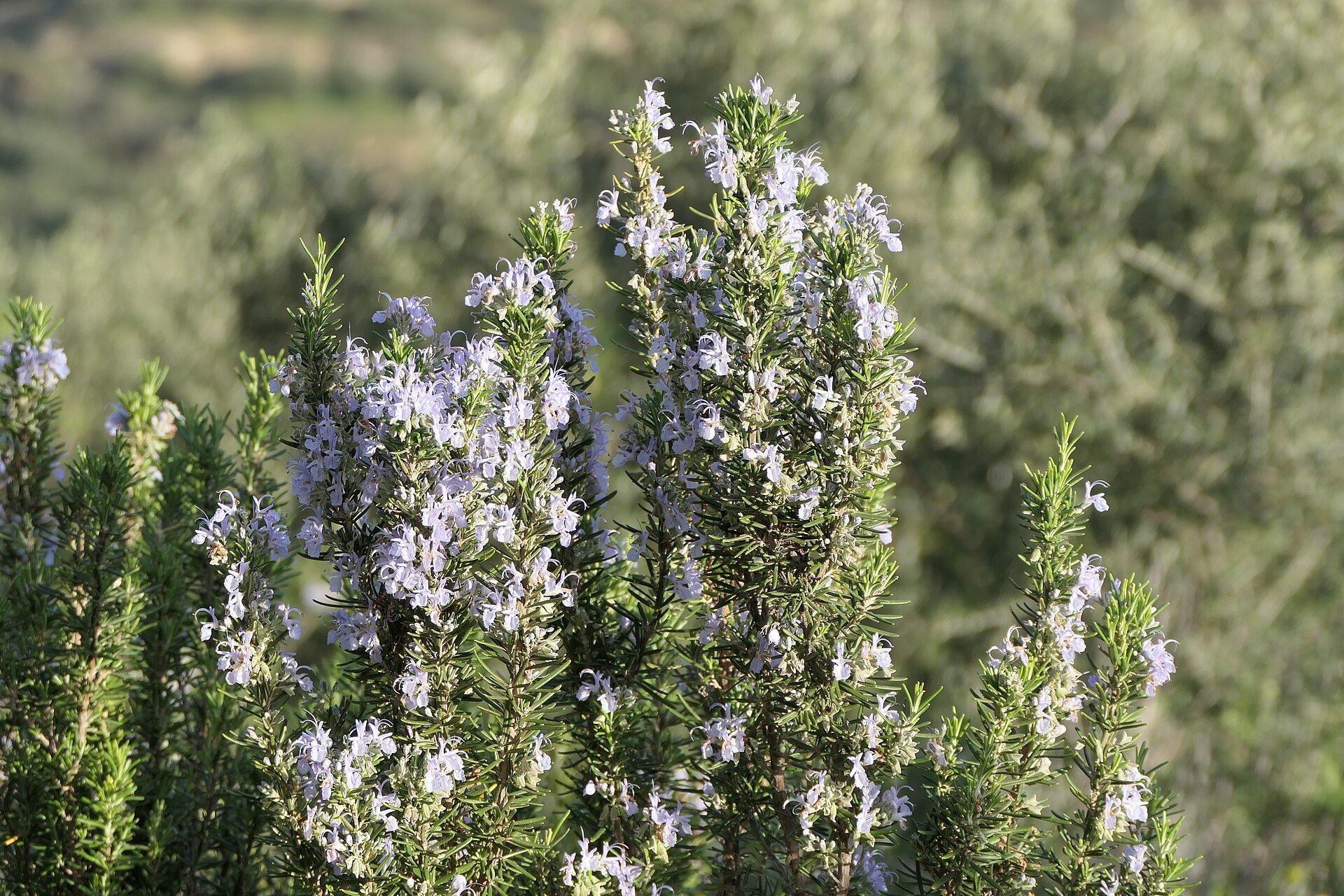
British researchers measured how much 1,8-cineole from rosemary aroma reached volunteers’ blood — and compared it with their scores on mental arithmetic.